Fact-check workflow is a practical news-literacy skill that helps readers separate evidence from repetition, interpretation, and emotion. A story can look professional and still contain an error, while a developing report can be accurate about some details and uncertain about others.
This guide explains fact-check workflow without telling readers what political, social, or policy conclusion to adopt. The purpose is to make factual claims easier to verify by checking source quality, original context, dates, primary evidence, independent confirmation, and corrections.
Write a specific checkable claim when you fact-check workflow
Use this step deliberately: write a specific checkable claim. Write down the exact article, account, document, image, statistic, or statement you are checking. A verification method is strongest when another reader could repeat the same check and reach the same evidence.
Review note 1: separate what the source directly establishes from what the source only suggests. If the evidence is incomplete, describe the limitation instead of filling the gap with an assumption. This keeps fact-check workflow tied to observable material rather than confidence or popularity.
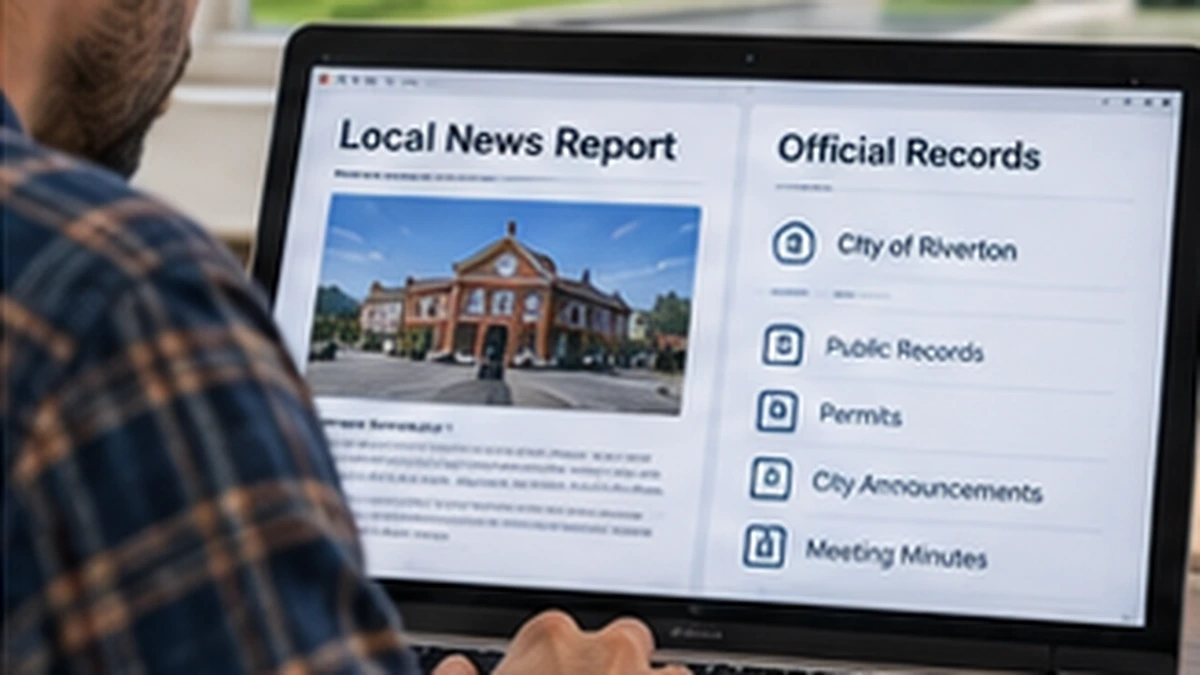
Identify who made it and when when you fact-check workflow
Use this step deliberately: identify who made it and when. Write down the exact article, account, document, image, statistic, or statement you are checking. A verification method is strongest when another reader could repeat the same check and reach the same evidence.
Review note 2: separate what the source directly establishes from what the source only suggests. If the evidence is incomplete, describe the limitation instead of filling the gap with an assumption. This keeps fact-check workflow tied to observable material rather than confidence or popularity.
Decide what evidence would answer it when you fact-check workflow
Use this step deliberately: decide what evidence would answer it. Write down the exact article, account, document, image, statistic, or statement you are checking. A verification method is strongest when another reader could repeat the same check and reach the same evidence.
Review note 3: separate what the source directly establishes from what the source only suggests. If the evidence is incomplete, describe the limitation instead of filling the gap with an assumption. This keeps fact-check workflow tied to observable material rather than confidence or popularity.
Search for primary sources first when you fact-check workflow
Use this step deliberately: search for primary sources first. Write down the exact article, account, document, image, statistic, or statement you are checking. A verification method is strongest when another reader could repeat the same check and reach the same evidence.
Review note 4: separate what the source directly establishes from what the source only suggests. If the evidence is incomplete, describe the limitation instead of filling the gap with an assumption. This keeps fact-check workflow tied to observable material rather than confidence or popularity.
Check key elements with more than one source when you fact-check workflow
Use this step deliberately: check key elements with more than one source. Write down the exact article, account, document, image, statistic, or statement you are checking. A verification method is strongest when another reader could repeat the same check and reach the same evidence.
Review note 5: separate what the source directly establishes from what the source only suggests. If the evidence is incomplete, describe the limitation instead of filling the gap with an assumption. This keeps fact-check workflow tied to observable material rather than confidence or popularity.
Evaluate source interests when you fact-check workflow
Use this step deliberately: evaluate source interests. Write down the exact article, account, document, image, statistic, or statement you are checking. A verification method is strongest when another reader could repeat the same check and reach the same evidence.
Review note 6: separate what the source directly establishes from what the source only suggests. If the evidence is incomplete, describe the limitation instead of filling the gap with an assumption. This keeps fact-check workflow tied to observable material rather than confidence or popularity.
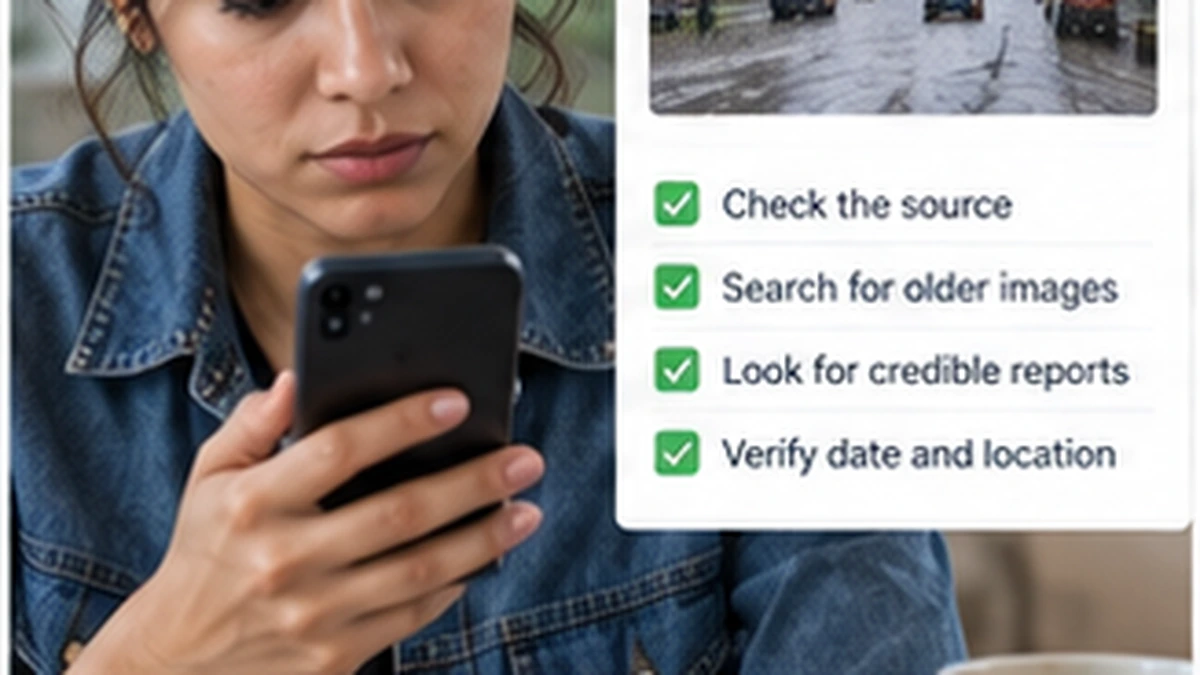
Verify visuals separately when you fact-check workflow
Use this step deliberately: verify visuals separately. Write down the exact article, account, document, image, statistic, or statement you are checking. A verification method is strongest when another reader could repeat the same check and reach the same evidence.
Review note 7: separate what the source directly establishes from what the source only suggests. If the evidence is incomplete, describe the limitation instead of filling the gap with an assumption. This keeps fact-check workflow tied to observable material rather than confidence or popularity.
Record evidence that supports and undermines the claim when you fact-check workflow
Use this step deliberately: record evidence that supports and undermines the claim. Write down the exact article, account, document, image, statistic, or statement you are checking. A verification method is strongest when another reader could repeat the same check and reach the same evidence.
Review note 8: separate what the source directly establishes from what the source only suggests. If the evidence is incomplete, describe the limitation instead of filling the gap with an assumption. This keeps fact-check workflow tied to observable material rather than confidence or popularity.
Write the conclusion at the strength supported by evidence when you fact-check workflow
Use this step deliberately: write the conclusion at the strength supported by evidence. Write down the exact article, account, document, image, statistic, or statement you are checking. A verification method is strongest when another reader could repeat the same check and reach the same evidence.
Review note 9: separate what the source directly establishes from what the source only suggests. If the evidence is incomplete, describe the limitation instead of filling the gap with an assumption. This keeps fact-check workflow tied to observable material rather than confidence or popularity.
Show the method and sources when you fact-check workflow
Use this step deliberately: show the method and sources. Write down the exact article, account, document, image, statistic, or statement you are checking. A verification method is strongest when another reader could repeat the same check and reach the same evidence.
Review note 10: separate what the source directly establishes from what the source only suggests. If the evidence is incomplete, describe the limitation instead of filling the gap with an assumption. This keeps fact-check workflow tied to observable material rather than confidence or popularity.
A deeper review for fact-check workflow
Separate three layers: the observable fact, the source’s interpretation, and your own reaction. A reliable verification process keeps those layers visible. This prevents an opinion, prediction, or emotional response from being repeated later as if it were a directly established fact. News verification note 10 for fact-check workflow.
Also examine the source chain. Ten accounts repeating one original post are not ten independent confirmations. For fact-check workflow, independence matters because repetition can make a weak claim appear stronger than it is.
A realistic verification example
A reader sees a dramatic claim moving quickly online. Instead of sharing it immediately, the reader finds the original source, checks the date, looks for primary evidence, compares independent reporting, and verifies attached visuals or numbers. The conclusion may confirm, weaken, or leave the claim unresolved, but fact-check workflow produces a result based on evidence rather than virality.
Connect this guide to the rest of the news site
Read verify viral social media claims for one related verification skill, and use primary sources in news when the second guide helps you inspect sources, visuals, statistics, or fact-checking methods.
These internal links connect the first News batch so readers can move between source evaluation, visual verification, corrections, data, social media, and fact checking without repeating the same article.
A seven-day practice plan for fact-check workflow
Day 1: choose one factual claim. Day 2: locate the original source. Day 3: find primary evidence where possible. Day 4: compare independent reporting. Day 5: verify dates, visuals, and numbers. Day 6: write what is confirmed, uncertain, or contradicted. Day 7: review whether another reader could reproduce your source trail. News verification note 10 for fact-check workflow.
The seven-day structure is a training framework. A simple date, quote, or document can be checked in minutes, while a complicated public-interest claim can require extensive reporting and expert review.
Practical checklist
- Exact claim for fact-check workflow identified
- Original source located
- Publication date and context checked
- Primary evidence reviewed where available
- Independent confirmation considered
- Images or video verified separately
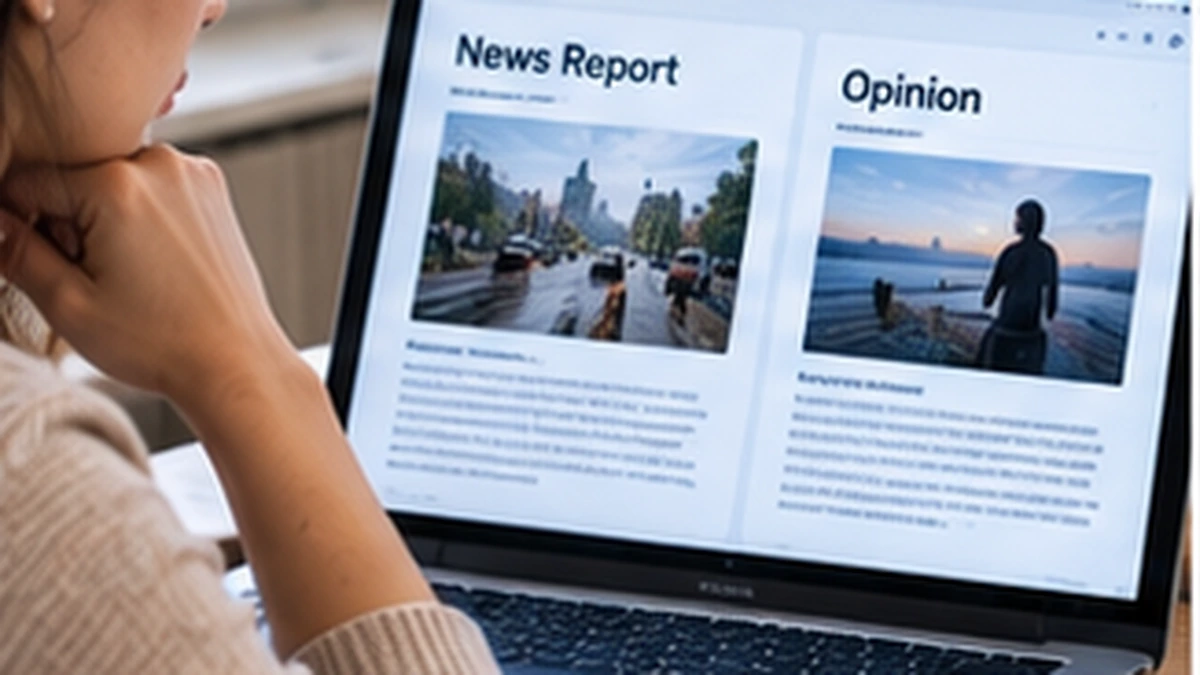
- Opinion separated from factual reporting
- Corrections or later updates checked
Use the checklist to identify the weakest part of your understanding of fact-check workflow. One missing primary source, old image, incorrect denominator, or silent update can change the reliability of the entire claim.
Frequently Asked Questions
Does a large number of shares make a news claim more reliable?
No. Virality measures reach, not accuracy. Many accounts can repeat the same unsupported original claim.
Can a trustworthy news organization still make mistakes?
Yes. Transparent sourcing, corrections, and independent verification still matter even when the publisher has a strong reputation.
Should an official source be trusted automatically?
An official source can establish what an institution says, publishes, or records. Independent reporting may still be needed to examine broader implications or competing evidence.
What should I do when evidence is incomplete?
Describe the claim as unverified, uncertain, or still developing rather than forcing a yes-or-no conclusion that the evidence does not support.
Practical review 1 for fact-check workflow
Create a short verification log for one real article, post, screenshot, or statistic. Record the original URL, publication time, author or account, primary evidence, one independent source, and any correction or update. If a field remains blank, state that limitation instead of inventing an answer. News verification note 22 for fact-check workflow.
Then explain the claim using only the evidence you actually verified. Remove any sentence that is stronger than the source material. This exercise makes fact-check workflow more precise and repeatable.
Practical review 2 for fact-check workflow
Create a short verification log for one real article, post, screenshot, or statistic. Record the original URL, publication time, author or account, primary evidence, one independent source, and any correction or update. If a field remains blank, state that limitation instead of inventing an answer. News verification note 23 for fact-check workflow.
Then explain the claim using only the evidence you actually verified. Remove any sentence that is stronger than the source material. This exercise makes fact-check workflow more precise and repeatable.
Practical review 3 for fact-check workflow
Create a short verification log for one real article, post, screenshot, or statistic. Record the original URL, publication time, author or account, primary evidence, one independent source, and any correction or update. If a field remains blank, state that limitation instead of inventing an answer. News verification note 24 for fact-check workflow.
Then explain the claim using only the evidence you actually verified. Remove any sentence that is stronger than the source material. This exercise makes fact-check workflow more precise and repeatable.
Authoritative resource to review
For an authoritative journalism or fact-checking reference related to this topic, review International Fact-Checking Network – Code of Principles. Use the source for verification principles, then inspect the original evidence connected to the specific claim you are checking. News verification note 4 for fact-check workflow.
Final perspective
Fact-check workflow works best when the method is visible: identify the claim, trace the source, inspect primary evidence, compare independent confirmation, verify visuals and numbers, and correct the conclusion when better evidence appears. Accuracy is more useful than speed.